
What is Housing Bubble?
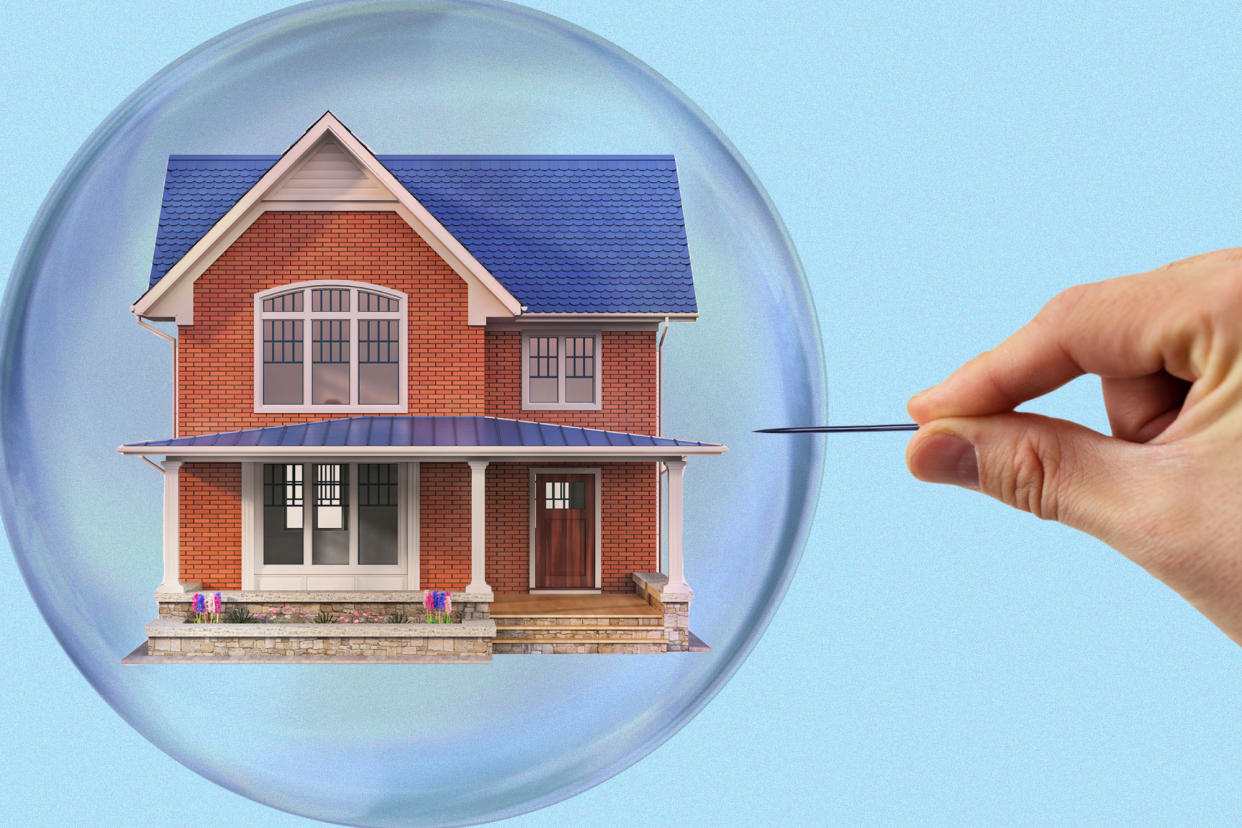
A housing bubble is a rapid and unsustainable increase in real estate prices, driven by speculation, excessive demand, and loose lending practices, rather than fundamental factors like income growth or population demand. When the bubble bursts, prices collapse, leading to financial instability, foreclosures, and economic downturns.
Key Causes of a Housing Bubble:
-
Low Interest Rates – Cheap borrowing encourages excessive mortgage lending.
-
Speculative Buying – Investors buy homes expecting prices to rise indefinitely.
-
Loose Lending Standards – Banks approve risky loans (e.g., subprime mortgages).
-
High Demand & Limited Supply – Shortage of homes fuels price surges.
-
Over-optimism – Belief that prices will never fall (“This time is different!”).
Signs of a Housing Bubble:
-
Home prices rising much faster than wages.
-
High levels of household debt.
-
Increased flipping and speculative buying.
-
Easy credit with low down payments.
What Happens When It Bursts?
-
Price Crash: Home values drop sharply.
-
Foreclosures: Borrowers default on mortgages.
-
Banking Crisis: Lenders face losses, leading to credit crunches.
-
Economic Recession: Reduced consumer spending and job losses (e.g., 2008 Financial Crisis).
Historical Example:
The 2008 U.S. Housing Bubble burst when subprime borrowers defaulted, causing a global financial crisis. Prices plummeted, and millions lost homes.
Is There a Bubble Now? (2024)
Some experts warn of overheating in markets like Canada, Australia, and parts of the U.S., while others argue stricter lending rules prevent a repeat of 2008.
How to Protect Yourself from a Housing Bubble
If you suspect a housing bubble in your market—or just want to safeguard your finances—here are key strategies to avoid getting caught in a crash:
1. Avoid Overpaying for a Home
-
Compare prices to long-term trends (e.g., price-to-income ratio, rent-to-price ratio).
-
Don’t assume prices will always rise—buy based on need, not FOMO (fear of missing out).
-
Wait if prices seem unsustainable—renting may be cheaper than buying at peak prices.
2. Secure a Fixed-Rate Mortgage
-
Adjustable-rate mortgages (ARMs) can become unaffordable if interest rates rise.
-
Lock in a fixed-rate loan to ensure stable payments even if the market crashes.
3. Maintain a Strong Financial Cushion
-
Save a larger down payment (20% or more) to avoid being underwater (owing more than the home’s value).
-
Keep an emergency fund (6–12 months of expenses) in case of job loss or price drops.
4. Don’t Treat Your Home as an Investment
-
A home should primarily be a place to live, not a speculative asset.
-
Avoid flipping unless you’re experienced and prepared for market downturns.
5. Watch for Bubble Warning Signs
-
Rapid price increases (e.g., 20%+ yearly growth).
-
Excessive speculation (e.g., Airbnb investors buying up homes).
-
Easy credit (low down payments, high debt-to-income approvals).
-
Media hype (“Housing never goes down!”).
6. Consider Renting Instead of Buying (If Prices Are Too High)
-
In bubbly markets, renting may be cheaper than a mortgage + maintenance.
-
Use rent-vs-buy calculators to compare costs.
7. Diversify Your Investments
-
Don’t put all your wealth into real estate—spread risk across stocks, bonds, and cash.
-
If you own multiple properties, consider selling before a potential crash.
What to Do If a Bubble Bursts?
-
Don’t panic-sell—prices may recover long-term.
-
Refinance if rates drop to lower payments.
-
Rent out spare rooms if struggling with payments.
Final Thought
Housing bubbles can be dangerous, but smart buying, strong finances, and avoiding speculation will protect you. If you’re unsure about your market, consult a financial advisor or real estate expert.




Whaddaya Say?